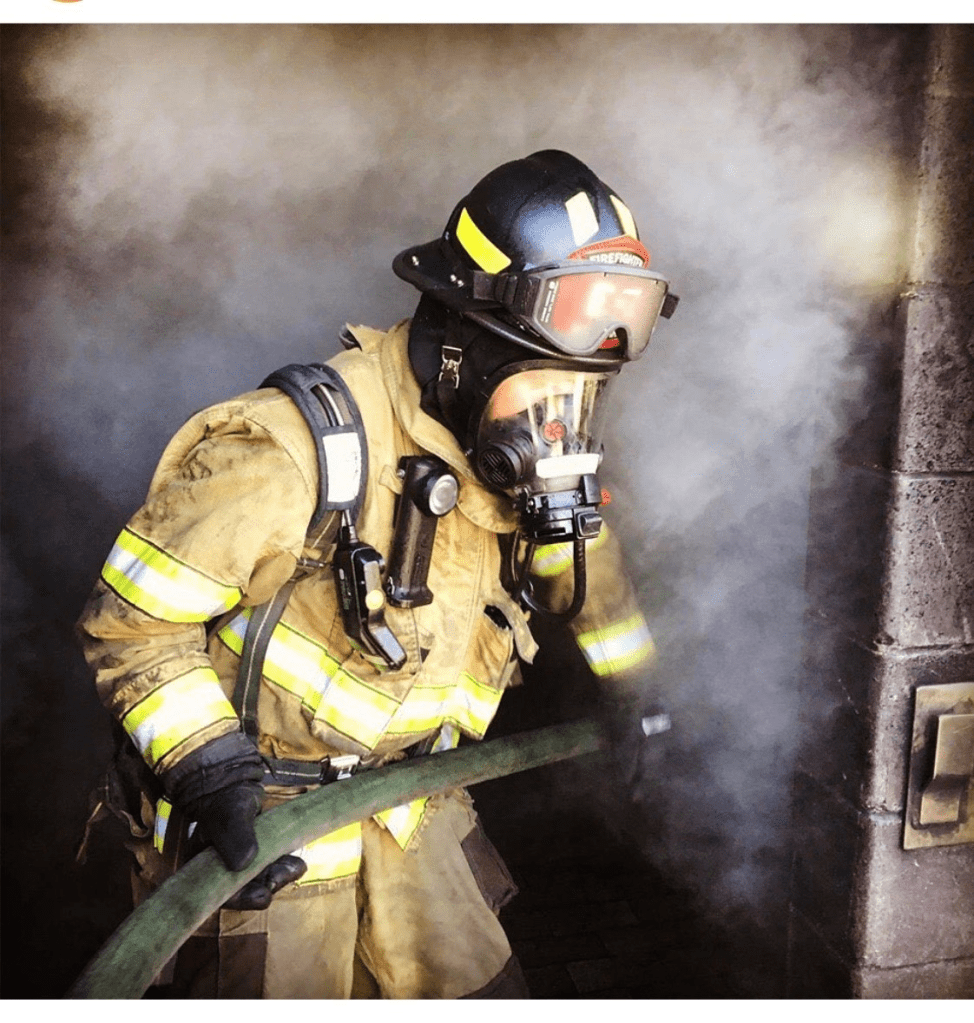
Because we don’t have regular opportunities to practice fighting fires, it’s easy to make simple mistakes when the time Official link comes. Know where most people go wrong so you can avoid making a mistake while under pressure.
Don’t ignore the instructions: Thoroughly read the operating instructions that came with your fire extinguisher. Make sure all able members of your home read and understand the instructions. Review them regularly when you conduct fire drills and go over your evacuation plan.
Don’t use the wrong type of fire extinguisher: Never use a fire extinguisher for a class of fire that is not indicated on the label. Most importantly, extinguishers that are labeled for Class A fires only cannot be used on electrical or grease fires. However, it is safe to use an extinguisher labeled for Class B and C fires on a Class A fire. While Class K fires are technically a subset of Class B fires, other contents in Class B extinguishers can make Class K fires worse, so it’s best to get a separate extinguisher for cooking fires.
Don’t let your extinguisher go bad: Fire extinguishers come with an expiration date, after which the extinguishing agent is no longer effective. Know the dates on your fire extinguishers and replace them as needed.
Don’t neglect fire extinguisher maintenance: The extinguisher’s pressure needle should always point to the green zone. When it drops to the red zone, it doesn’t have enough pressure to release the extinguishing agent. This can happen even if the extinguisher is never used. Adding pressure (also called “recharging”) makes the extinguisher fully functional again, but this isn’t a DIY job. A certified fire services company should recharge the fire extinguisher for you. OSHA requires portable fire extinguishers in the workplace to be recharged or tested every 6 years.1 Homeowners can follow the same timeline.
Don’t forget about exits: When you decide where to keep your fire extinguisher, make sure it is in an easily accessible location near exterior doors. Also, consider the most common places where fires occur in a home and place your extinguishers accordingly.
Don’t keep it a secret: Make sure that everyone in your home knows where the fire extinguishers are kept. Share the location, along with your entire fire escape plan, with babysitters, house sitters, and any long-term visitors.
 Site Title